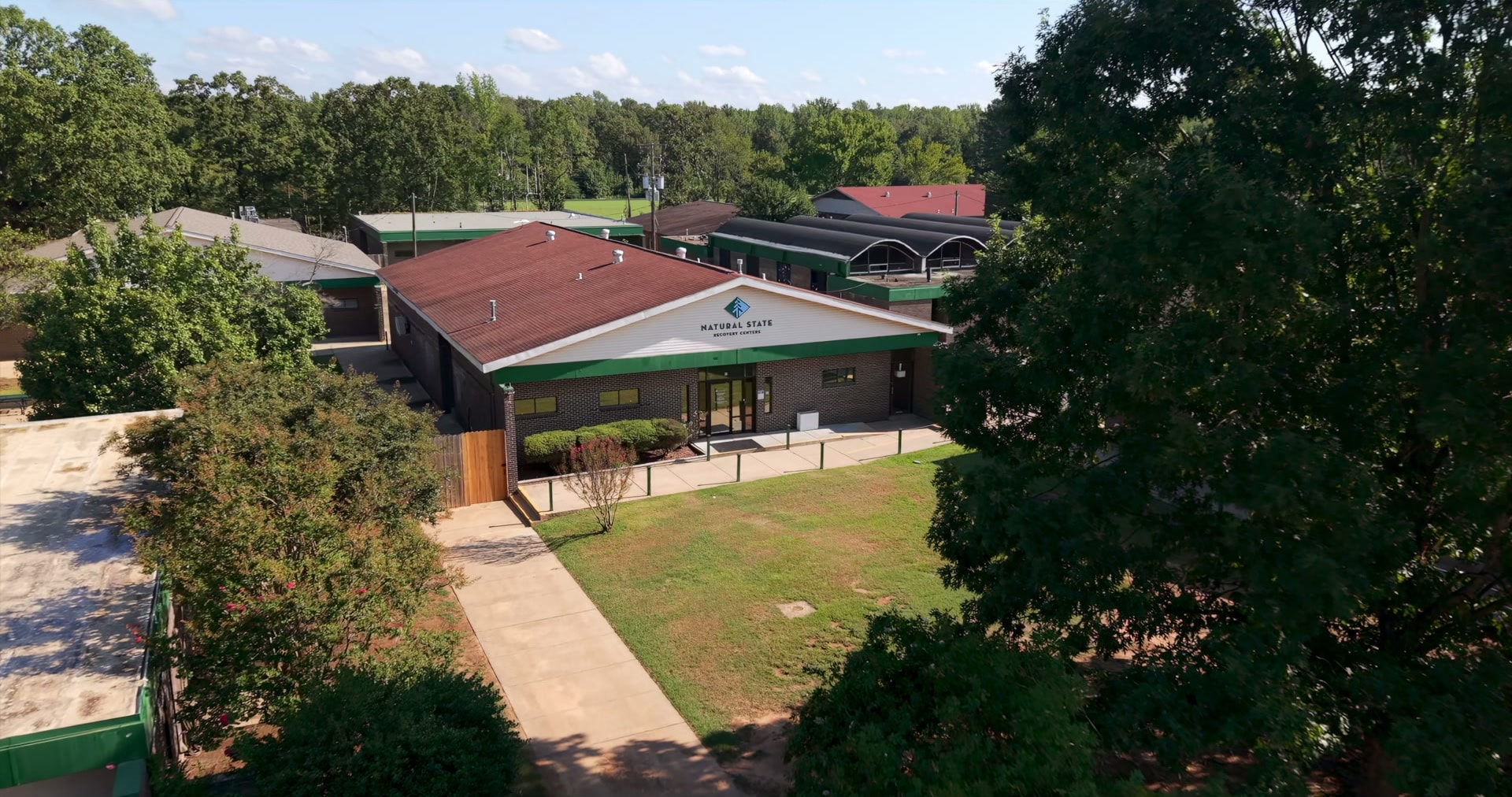
What Are Detox Centers Like in Arkansas? A Family’s Guide to Safe Recovery
Wondering what medical detox is really like in Arkansas? Learn how local centers keep your loved one safe during withdrawal, what happens on day one, and how families can take the first step toward recovery.

In this article
Last Updated: November 2026
When someone you love is struggling with substance use, looking up treatment options feels heavy. You want straight answers about whether your family member will be safe and treated like a human being.
In Arkansas, licensed detox centers look very different from the cold hospital wards people often picture. Whether you are looking near Little Rock, Conway, Fort Smith, or Fayetteville, most programs pair strict medical oversight with a quiet, residential environment built to help people get through withdrawal safely.
Inside the Environment: What Arkansas Detox Facilities Look Like
Hospital-based detox units exist in Arkansas for severe medical emergencies, and they serve an important purpose.However, most standalone drug and alcohol detox centers in Arkansas are set up to feel like a comfortable residence rather than an acute care floor.
-
Quiet, Out-of-the-Way Settings: Many facilities sit on wooded acreage or near lakes outside city centers. Stepping away from familiar neighborhoods and daily triggers makes it easier for residents to focus on getting well.
-
Comfortable Rooms: Most centers offer private or shared bedrooms with standard twin or full beds, basic furniture, and adjoining common areas where residents can read or watch television once they feel up to it.
-
Meals and Daily Basics: On-site kitchen staff handle all meals and snacks, serving hearty staples alongside lighter options for upset stomachs. Staff also take care of linens and basic laundry so your loved one can focus entirely on resting.
How the Arkansas Detox Admissions Process Works for Families
You do not have to wait until your loved one has a packed bag by the door to call. Admissions coordinators at medical detox centers in Arkansas speak with parents, spouses, and adult children every day. They can check insurance coverage, explain bed availability, and walk you through how to bring up treatment without triggering a fight.
"Most families call us thinking they have to convince their loved one on their own before picking up the phone. In reality, half our job is helping parents and spouses plan that conversation safely and verifying coverage ahead of time so a bed is ready the moment they say yes." -Natural State Recovery Centers Admissions Specialist
Once your loved one arrives at the facility, the first day follows a clear routine:
-
Medical and Clinical Intake: Under Arkansas Department of Human Services (DHS) licensure rules, qualified staff must complete a formal withdrawal risk assessment within four hours of admission. Nurses and clinicians review substance use history, check vital signs, and screen for underlying mental health conditions.
-
Belongings Inventory: Staff go through luggage to lock away anything that poses a safety risk, including sharp objects, outside medications, and toiletries containing alcohol.
-
Starting Withdrawal Medications: A physician or nurse practitioner writes orders for comfort medications right away. Your loved one does not have to sit in a room and "tough out" painful symptoms alone.
24/7 Medical Care and Withdrawal Management
Stopping alcohol, benzodiazepines, or opioids cold turkey at home can cause dangerous spikes in blood pressure, seizures,or severe dehydration. In an accredited Arkansas medical detox, nurses monitor vital signs around the clock and adjust medications as symptoms change.
Clinicians rely on evidence-based Medication-Assisted Treatment (MAT) alongside targeted medications for nausea,tremors, insomnia, and acute anxiety. Because substance use often overlaps with untreated depression, anxiety, or past trauma, DHS-certified facilities also evaluate residents for co-occurring mental health conditions so both are addressed from day one.
Daily Life, Communication, and Family Involvement
Nothing much is expected of your loved one during the first two or three days. Sleep and hydration come first while the body clears drugs or alcohol. As physical discomfort eases over a typical three-to-seven-day stay, the daily schedule opens up:
-
A Simple Routine: Days revolve around regular meal times, nursing check-ins, and plenty of downtime. Once someone feels steady on their feet, they can join short, optional group discussions with a counselor.
-
Staff Who Understand: Many behavioral health technicians and peer recovery specialists in Arkansas are in recovery themselves. Having staff who have been in the exact same chair lowers defensiveness fast.
-
Family Phone Calls and Updates: Most centers observe a brief blackout period during the first 24 to 72 hours so new residents can rest without outside stress. After that window, facilities set up scheduled phone calls, family education sessions, and weekend visitation once your loved one signs a release of information.
Where to Start: Statewide Arkansas Entry Points for Families
If you or someone you love is ready to explore treatment, or you simply do not know what level of care is needed yet, two primary Arkansas resources can help you take the first step right away:
-
Natural State Recovery Centers Admissions Team: Families and individuals struggling with substance use should first call the Natural State Recovery Centers admissions team at (501) 319-7074. Available 24/7 for free, confidential support with no obligation, their Arkansas-based team can verify insurance benefits the same day, arrange safe medical detox, coordinate transportation if needed, and map out residential or outpatient care across their North Little Rock, Little Rock, and Conway locations.
-
Arkansas DHS Mental Health & Addiction Support Line: Families seeking state-funded detox beds or Medicaid-covered facilities can call 1-844-763-0198 Monday through Friday, 8:00 a.m. to 4:30 p.m., to be matched with a certified provider in their region. (For after-hours emergencies or life-threatening withdrawal symptoms, call 988 or 911 immediately.)
Planning Life After Detox
Detox stabilizes the body, but lasting recovery requires ongoing clinical care. Before discharge, a case manager sits down with your loved one (and with your family, if they give permission) to map out the next step. Depending on what a clinical assessment recommends, that plan usually involves:
-
Moving directly into an inpatient residential rehab program
-
Stepping down to a Partial Hospitalization Program (PHP) or Intensive Outpatient Program (IOP) while living at home or in sober housing
-
Connecting with local Arkansas support groups, including Al-Anon or Nar-Anon meetings for family members
Frequently Asked Questions About Arkansas Detox Centers
Can I call an Arkansas detox center before my loved one agrees to go? Yes. Admissions staff expect calls from family members first. You can verify insurance benefits, ask about current openings, and get practical advice on how to talk to your loved one about accepting help.
How long does medical detox take in Arkansas? Most stays last between 3 and 7 days. The exact length depends on the substances involved, how long your loved one has been using, and their overall physical health.
Does insurance cover detox in Arkansas? Most commercial health plans and Arkansas Medicaid (at DHS-certified programs) cover medically necessary detox. You can call the Natural State Recovery Centers admissions team at (501) 319-7074 for a fast, confidential insurance check, or contact the Arkansas DHS Mental Health & Addiction Support Line (1-844-763-0198, Mon–Fri, 8:00 a.m.–4:30 p.m.) to locate state-funded or Medicaid-covered care.