
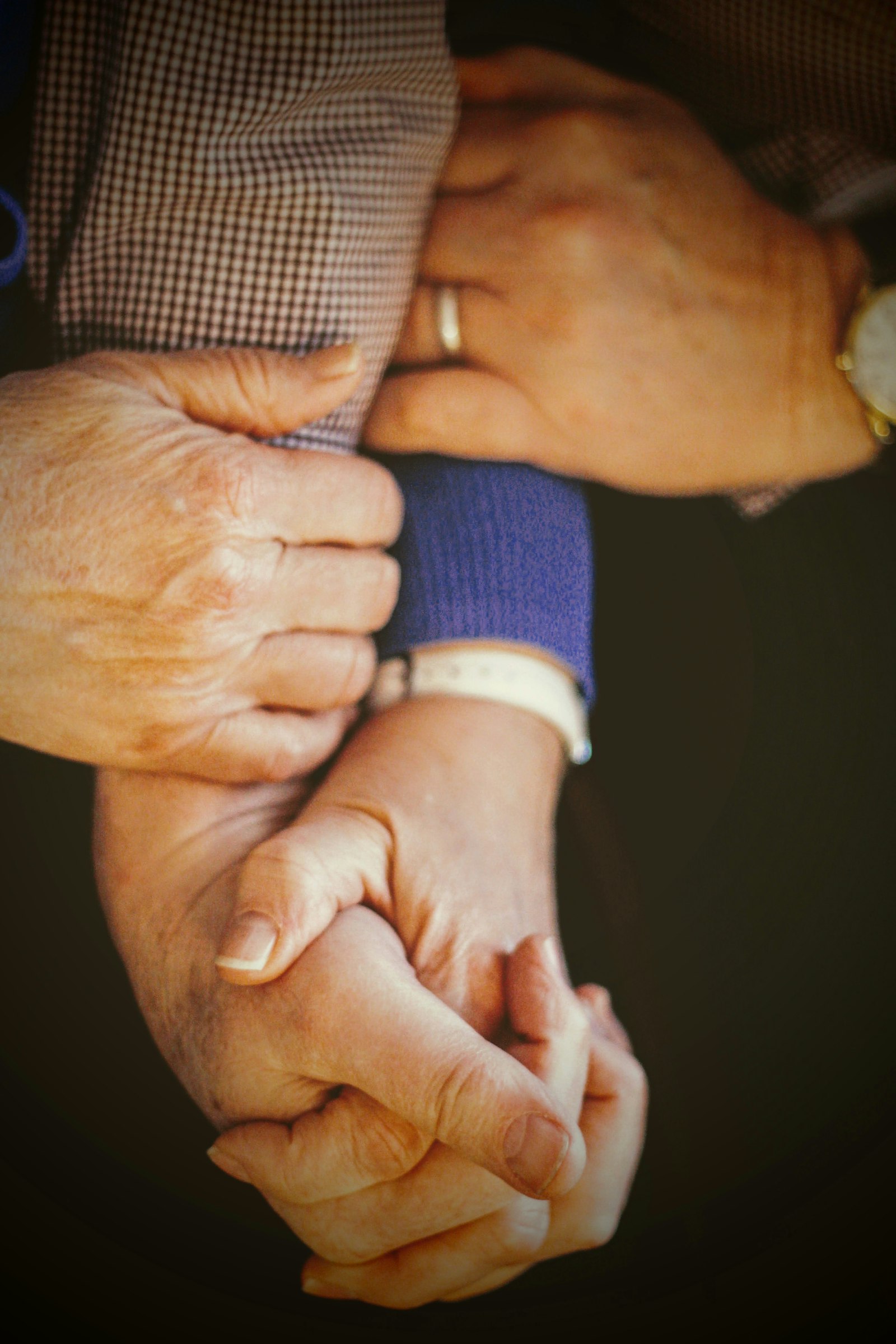
Loving someone through addiction

Start Here
Three things worth believing today
Families arrive carrying guilt that does not belong to them. Al-Anon communities have passed down a shorthand for setting it down, and we have watched it hold true for years:
You didn't cause it
Addiction is a health condition, not a verdict on your parenting, your marriage, or your love. The blame you are carrying is weight without purpose.
You can't control it
Hiding keys, counting drinks, and monitoring phones feels like action, but the disease does not answer to supervision. Nobody can do recovery for someone else.
You can't cure it
Love is necessary and not sufficient. Treatment, community, and time do the curing. What you can do is keep the door to all three open.
Preparing for treatment
What to bring, and what to leave at home
A short list makes arrival day easier for everyone. If something is missing, admissions can help, and we keep clothing and hygiene donations on hand.
7 days a week, 8:00 AM – 8:00 PM. Every effort is made to admit clients as soon as possible.
NSRC asks that you confine your items to 1 large piece of luggage or 2 smaller size bags.
Allowed items include:
- ID/Driver's License; Social Security Card; Insurance Card. A photo ID is required.
- 7–10 days of clothing (including socks, underwear, workout attire, comfortable shoes). Laundry facilities are on site.
- Unopened toiletries (shampoo, conditioner, toothpaste, etc.), hairbrush and toothbrush
- Prescription Medication(s)
- No more than 5 cosmetic items
- Laundry Detergent
- Enough sealed, unopened nicotine products (cigarettes, disposable vapes, chewing tobacco) to last your stay
- A written list of contacts needed while in treatment
- Paper, pens, envelopes and stamps
- A water bottle/refillable cup
- Petty cash/change for vending machine purchases
Our primary goal is the safety of clients, staff, and visitors. These restrictions are safety precautions, not punitive measures.
What to Leave at Home:
- Open nicotine products and non-disposable vapes
- Valuables (jewelry, large amounts of cash)
- No pillows, blankets or stuffed animals from home
- Aerosol hairspray and hair dye
- Alcohol or drug products including perfume/cologne (anything including alcohol in first five ingredients)
- Electronics (cell phones encouraged for travel but locked up upon arrival)
- Weapons of any kind (guns, knives, brass knuckles, chains, razor blades, etc.)
- No Narcotic Medications, even if prescribed
- Open hygiene products
- No food or drink brought in for or by clients
- No excessively tight or revealing attire (shirts MUST cover entire torso)

The Hard Distinction
Helping the person, not the addiction
The line is simpler than it feels in the moment: helping supports the person, and enabling supports the addiction. Paying the bail, calling in sick for them, covering the debts, and smoothing over the missed holidays all remove the consequences that often bring someone to willingness.
Saying what you see, plainly and without a lecture, is help. Boundaries you actually keep are help. A ride to treatment is help. So is calling us before they are ready, so the plan exists the moment they are.
When they are not ready yet
You cannot argue someone into willingness, and the fight usually pushes the moment further away. What works better is shorter and quieter: tell them what you see, tell them what you will and will not do anymore, and tell them help is one call away when they want it. Then keep your word on all three.
And call us anyway. We talk with families every day about timing, safety, and what to say. There is no charge and no obligation, and nobody will rush you.


When You Hand It to Us
What happens after the call
We listen first. Then we talk through safety, timing, and insurance, and we help you plan the next step. When your loved one is willing, intake can be set up quickly. We can help arrange transportation, and if they arrive with little, we keep clothing and hygiene donations on hand. Admissions is open 7 days a week.
One thing to know ahead of time: for the first 10 days of residential treatment, clients can receive mail but not phone calls. That quiet stretch gives them room to settle in and start the work without managing life outside. After that, weekly phone calls resume, and our clinicians offer family therapy, because the family heals alongside the client.
Questions first? Call (501) 319-7074 any time, day or night. You will get a real person, often someone who has sat exactly where you are sitting.
Whenever you are ready
Call about someone you love
Free, confidential, and no obligation. We will listen, answer your questions, and help you plan, whether they are ready today or not yet.