The Beauty of Life: Two Women, Two Very Different Views
Read a powerful, dual-perspective story on addiction recovery, hope, and healing from Kelli Brawley and Shanon Anderson at Natural State Recovery Centers.

In this article
This content is for informational and inspirational purposes only and is not a substitute for professional medical advice, diagnosis, or treatment. If you are experiencing a medical emergency, call 911.
Kelli's View: Can They See What I See?
Last week, while vacationing in Maine, I found myself surrounded by the kind of beauty that makes you stop, look around, and realize just how much there is to be thankful for.
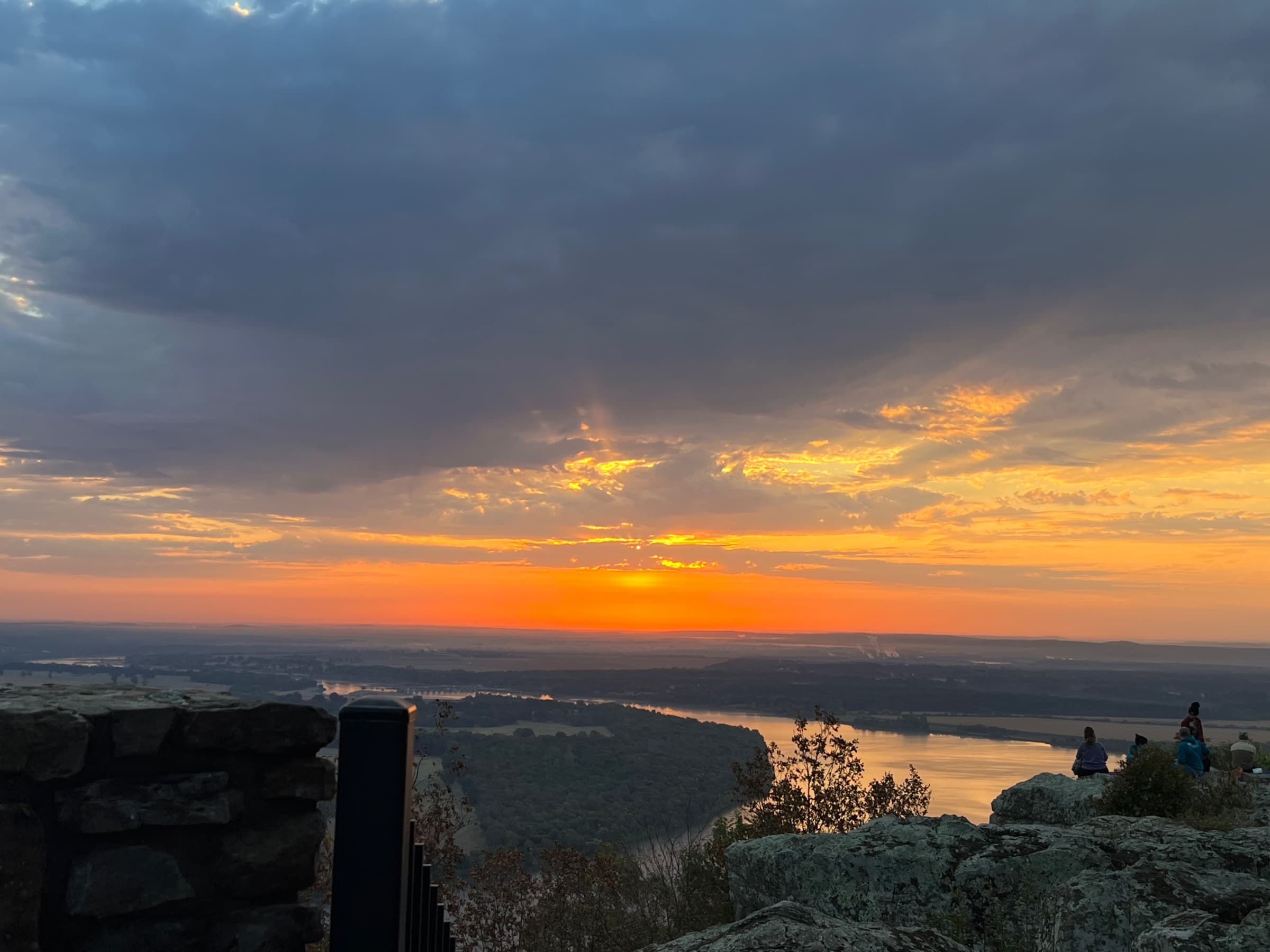
One morning in Acadia National Park, I watched the darkness slowly give way to daylight as the sunrise began changing the colors of the sky. Shades of pink, orange, purple, and gold appeared over the water, and as the sunlight spread across the landscape, I couldn't help but marvel at the beauty of God's creation.
Standing there, I said a quiet prayer of thanks. I thanked God for another day, for my family, for this wonderful life, and simply for the opportunity to be there. I felt incredibly blessed to be able to take a vacation, travel to a beautiful part of our country, and experience something that I knew I would remember long after I returned home.
Later that morning, I stood overlooking Sand Beach and listened as the waves rolled toward the shore and crashed onto the sand. The brilliant colors of sunrise had softened into daylight, the warmth of the sun was beginning to settle over everything, and for a while I simply stood there taking it all in.
There was nothing complicated about that moment. I was simply thankful to be alive, thankful for my family, and thankful that I was able to stand in such a beautiful place and recognize how blessed I am.
As peaceful as that moment was, my thoughts eventually turned toward home and to the people we serve at <u>Natural State Recovery Centers</u>. As I stood there looking at the ocean, a question came into my mind that I couldn't shake:
Can they see what I see?
Can someone who is actively struggling with addiction look at that same sunrise and recognize its beauty? Can they hear the waves crashing against the shore and experience the peace I felt? Can they feel the warmth of the sun on their face and have a moment when they are simply grateful to be alive?
I spend my days advocating for people affected by addiction. I hear their stories, see their struggles, celebrate their successes, and believe deeply in their ability to . I can fight for them, encourage them, and try to understand what they are going through, but there is one important perspective I will never have: I have never personally experienced addiction.
When I look at a sunrise, I see hope. When I look across the ocean, I see God's creation, and when I think about my family, I immediately recognize how fortunate I am to have them. Standing there in Maine, however, I realized that I really didn't know what that exact same moment might look like through the eyes of someone living in active addiction.
That realization made me think about my friend and colleague, Shanon Anderson.
Shanon has been in recovery for years, and today she fights just as hard for people struggling with addiction as I do, but she comes to that fight from a place I can never fully understand. She has lived through active addiction, found recovery, and experienced what it means to see life from both sides.
So when I returned, I asked her the question that had stayed with me since that morning in Maine:
"Shanon, if you had been standing beside me watching that sunrise while you were in active addiction, what would you have seen?"
Her answer made me look at that beautiful morning very differently.
Shanon's View: When the World Felt Dark
For me, active addiction was an all encompassing darkness<u>.</u>. All I could see and feel was gloom, and my perception of the world around me was filled with helplessness and hopelessness. It felt as though a cloud followed me everywhere I went, and no matter what I did, I couldn't escape it.
At that point in my life, I didn't know there was a way out. I truly thought I would die using, never knowing what it would feel like to enjoy the sun on my face or experience the peace and happiness I have found in recovery. I became increasingly disconnected from the world around me and, with each passing year, used more and more in an attempt to numb the shame, guilt, and hopelessness I carried.
My biggest regret is the way my addiction affected my children. They deserved happiness in their childhoods that I was unable to provide, no matter how badly I wanted to see them smile. Addiction didn't mean that I didn't love them; it meant that I was living in a place where I could not be the mother I desperately wanted to be.
So when Kelli asks, "Can they see what I see?" I can't answer that question for everyone struggling with addiction because every person's experience is different. I can only answer it for myself, and for me, the answer was no.
I couldn't see the world for what it really was because my perception of it had become distorted. In fact, for me that disconnection began in childhood, long before I ever put a substance into my body. I had lived with a sense of disconnection that kept me from experiencing much of the beauty the world had to offer even before active addiction entered my life, and addiction only took me further away from it.
Recovery began giving that world back to me.
One of the things I often hear from people beginning recovery is something incredibly simple: "I heard the birds today."
There is so much meaning in those few words because the birds didn't suddenly appear when someone entered recovery. They had been there all along. They had been singing through the good days and the terrible ones, but something had prevented that person from hearing them.
I understand that feeling because recovery has allowed me to experience ordinary things in an entirely different way. I can go to bed at night and actually sleep and rest rather than passing out and coming to without knowing where I am. I no longer have to live my life putting myself in risky situations or waking up wondering what happened the night before.
Today, I can feel the sun on my skin and enjoy the taste of coffee with sweet creamer while I connect with the world around me in the morning. Days off and lazy mornings sitting on the patio have become some of my favorite moments because I am actually present enough to experience them.
Recovery also gave me 12-step fellowships that taught me how to connect with other people. Those connections helped teach me how to be present in my relationships, including the most important relationship of all: the one I have with my children. Today, when I engage with them, I know how to be their mother in a way that I wasn't capable of during active addiction.
I am not perfect, and I still have a long way to go, but recovery means I get the opportunity to keep growing. I can continue becoming a better mother, a better friend, and a better person as long as I never forget where I came from and continue to have gratitude for the small things I have today.
Borrow Someone Else's Hope Until You Find Your Own
When I was new to recovery, someone told me something that has stayed with me: If I couldn't believe that my life could get better, I could borrow someone else's belief until I was able to believe it for myself.
In the beginning, I truly didn't believe my life could change. Shame and guilt held me prisoner to what felt like a hopeless existence, and I couldn't imagine the life I have today because I couldn't see beyond the life I was living at that moment.
If you are reading this and that feeling sounds familiar, I want you to know there is hope. The recovery community is here to listen to you and believe in you during the time when you may not yet be able to believe in yourself.
The people who came before me in recovery told me that a person struggling with addiction could lose the desire to use and find a new way to live. They also told me they would love me until I could learn to love myself, and they lived up to that promise.
If you don't believe today that your life can be different, there are people willing to believe it for you until you can.
Two Women, Two Views, One Beautiful Life
Kelli: After hearing Shanon's words, I went back and looked at the pictures I had taken that morning in Maine, and somehow I saw them differently.
The sunrise was still just as beautiful. I could still remember standing there watching the colors spread across the sky, feeling the warmth of the sun, hearing the waves at Sand Beach, and saying my prayer of gratitude. What had changed was my understanding that two people could stand in exactly the same place, looking at exactly the same beautiful world, and experience it in completely different ways.
The sun can be shining while someone's world feels completely dark. The waves can be crashing against the shore and the birds can be singing, while a person struggling with addiction may be so consumed by pain, shame, guilt, or hopelessness that they cannot experience any of it.
I think that is something those of us who have never personally experienced addiction need to understand. Our job isn't to tell someone struggling with addiction that they should be grateful or that they should recognize how beautiful their life is. Maybe our job is simply to stand beside them when they can't see it, fight for them when they are tired of fighting, and continue reminding them that there is another way to live.
Shanon and I come to this work from two very different places. I fight for people struggling with addiction because I have seen their worth, their potential, and the incredible things that can happen when someone is given the support and opportunity to recover. Shanon fights because she has lived through the darkness herself and knows what it feels like when the light finally begins to come back in.
That morning in Maine, I wondered whether the people we serve could see what I saw. After listening to Shanon, I think I understand my question a little better.
The beauty of life may have been there all along, even when someone couldn't see it. Recovery can give a person the chance to discover it again.
Sometimes that discovery happens while watching an incredible sunrise over the ocean.
And sometimes it happens on an ordinary morning when you realize, for the first time in a very long time, that you can hear the birds singing.
If you or a loved one feel trapped in the darkness of addiction, you don't have to find the light alone. <u>Contact Natural State Recovery Centers today</u> to learn more about our treatment programs and peer support community.
References & Resources
The experiences shared in this article are personal, but research and national recovery organizations reinforce many of the themes Kelli and Shanon describe, particularly the importance of hope, connection, peer support, and finding meaning and purpose in recovery.
-
Substance Abuse and Mental Health Services Administration (SAMHSA) — Recovery and Recovery Support: SAMHSA describes recovery as a process of change through which people improve their health and wellness, live self-directed lives, and work toward reaching their full potential. SAMHSA identifies hope as the foundation of recovery and emphasizes the importance of purpose, community, relationships, and peer support. <u>SAMHSA: Recovery and Recovery Support</u>
-
SAMHSA — Peer Support Workers for Those in Recovery: People with lived experience of recovery can have an especially meaningful role in helping others. SAMHSA explains that peer support is built around shared understanding, respect, and empowerment and can help people become and remain engaged in recovery. <u>SAMHSA: Peer Support Workers for Those in Recovery</u>
-
SAMHSA — Incorporating Peer Support Into Substance Use Disorder Treatment Services: This national guidance discusses the unique role people with lived experience can have in helping others begin and sustain recovery. It strongly connects with Shanon's message about having people believe in you when you cannot yet believe in yourself. <u>SAMHSA TIP 64: Incorporating Peer Support Into Substance Use Disorder Treatment Services</u>
-
National Institutes of Health/PubMed — Peer Recovery Support Services and Recovery Coaching for Substance Use Disorder: A Systematic Review: A 2025 systematic review of 28 studies involving more than 12,000 participants found growing evidence that peer recovery support services can improve engagement and retention in substance use disorder treatment. <u>PubMed: Peer Recovery Support Services and Recovery Coaching for Substance Use Disorder</u>
-
NIH/PMC — How Social Relationships Influence Substance Use Disorder Recovery: This research highlights the importance of positive relationships during recovery. Participants in long-term recovery frequently described recognition by a peer or a caring relationship with another person as important in helping initiate abstinence. <u>NIH: How Social Relationships Influence Substance Use Disorder Recovery</u>